
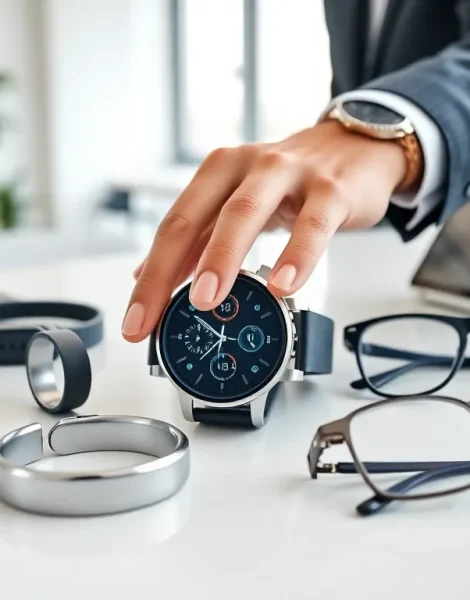
Wearables examples range from smartwatches on your wrist to sensors woven into your shirt. These devices have moved far beyond simple step counters. Today’s wearable technology tracks heart rhythms, displays notifications, and even overlays digital information onto the real world.
The global wearables market hit over $60 billion in 2024, and it’s still growing. People use these devices for fitness goals, health monitoring, productivity, and entertainment. Some wearables have even received FDA clearance for detecting medical conditions.
This guide covers the most popular wearables examples available right now. It breaks down each category, explains what these devices actually do, and helps readers pick the right option for their lifestyle.
Table of Contents
ToggleKey Takeaways
- Wearables examples span smartwatches, fitness trackers, health monitors, smart glasses, and even sensor-embedded clothing and jewelry.
- Smartwatches like Apple Watch and Samsung Galaxy Watch offer comprehensive tracking, while fitness bands provide longer battery life at lower prices.
- Health-focused wearables now include FDA-cleared devices for detecting conditions like atrial fibrillation and continuous glucose monitoring.
- Smart glasses from brands like Ray-Ban Meta and Microsoft HoloLens are advancing AR capabilities for both consumers and enterprise users.
- When choosing a wearable, prioritize your main goal—fitness, health monitoring, or style—and match it with compatible smartphone platforms and battery needs.
- Prices for wearables examples range from $30 for basic bands to $3,500 for enterprise AR headsets, with most consumer needs met between $150 and $400.
Smartwatches and Fitness Trackers
Smartwatches and fitness trackers represent the most common wearables examples on the market. These wrist-worn devices do everything from counting steps to running full apps.
Smartwatches
The Apple Watch Series 10 dominates the smartwatch category. It tracks workouts, monitors blood oxygen levels, and takes ECG readings. Users can answer calls, reply to texts, and stream music directly from their wrist.
Samsung’s Galaxy Watch 7 offers similar features for Android users. It includes body composition analysis, sleep tracking, and Google Assistant integration. The Wear OS platform gives access to thousands of apps.
Google’s Pixel Watch 3 has gained ground with its clean interface and tight Fitbit integration. It provides detailed sleep scores and readiness assessments each morning.
Fitness Trackers
Fitness trackers focus primarily on activity and health metrics. They’re typically smaller, lighter, and cheaper than smartwatches.
The Fitbit Charge 6 remains a top choice. It tracks heart rate zones during workouts, monitors stress through electrodermal activity sensors, and offers guided breathing exercises. Battery life stretches to seven days.
Garmin’s Vivosmart 5 appeals to serious athletes. It tracks VO2 max, body battery energy levels, and pulse ox readings. The slim design fits comfortably under shirt sleeves.
Xiaomi’s Smart Band 9 delivers impressive features at a budget price point. It monitors heart rate, tracks 150+ workout types, and lasts up to 21 days on a single charge.
Health Monitoring Devices
Health monitoring wearables examples go beyond basic fitness tracking. These devices measure specific medical metrics and can alert users to potential health issues.
Continuous Glucose Monitors
CGMs have changed diabetes management. The Dexcom G7 attaches to the skin and sends real-time glucose readings to a smartphone or smartwatch. Users see their levels without finger pricks.
Abbott’s FreeStyle Libre 3 offers similar functionality in the smallest CGM sensor available. It automatically sends readings every minute to a connected device.
Heart Monitors
The Withings ScanWatch 2 detects atrial fibrillation through its medical-grade ECG sensor. It also screens for sleep apnea and tracks blood oxygen during sleep. The watch looks like a traditional timepiece, which many users prefer.
Kardia Mobile by AliveCor provides clinical-grade ECG readings in 30 seconds. Users place their fingers on the device’s sensors and receive results on their phone.
Sleep and Recovery Trackers
The Oura Ring sits in a unique spot among wearables examples. This smart ring tracks sleep stages, heart rate variability, and body temperature. It fits on a finger and lasts up to seven days between charges.
WHOOP 4.0 focuses entirely on recovery and strain. It has no screen, just continuous monitoring and coaching through its app. Professional athletes and fitness enthusiasts use it to optimize training loads.
Smart Glasses and Augmented Reality Wearables
Smart glasses represent some of the most exciting wearables examples in recent years. These devices put displays and sensors directly in front of users’ eyes.
Consumer Smart Glasses
Ray-Ban Meta smart glasses look like regular sunglasses. They capture photos and videos, play music through built-in speakers, and allow hands-free calls. The integrated Meta AI can identify objects, translate text, and answer questions about what the wearer sees.
Xreal Air 2 Ultra creates a virtual 330-inch display in front of users. Gamers and remote workers use these glasses to replace multiple monitors.
Enterprise and Professional Use
Microsoft HoloLens 2 serves industrial and healthcare applications. Surgeons use it to overlay patient imaging during procedures. Factory workers see assembly instructions projected onto the parts they’re building.
Magic Leap 2 has found success in similar enterprise environments. Its dimming technology allows it to work in bright conditions, unlike many AR headsets.
Sports and Activity Glasses
Garmin’s Varia Vision mounts to cycling sunglasses and displays ride data, navigation, and rear radar alerts. Cyclists see everything without looking down at their handlebars.
Julbo’s EVAD-1 sunglasses include a small heads-up display for runners and hikers. Heart rate, pace, and route information appear in the corner of the lens.
Smart Clothing and Accessories
Smart clothing and accessories expand wearables examples beyond devices you strap on. Sensors built into fabric or everyday items collect data passively.
Smart Shirts and Sports Bras
Hexoskin’s smart shirts contain textile sensors that track heart rate, breathing rate, and movement. Athletes use them for detailed performance analysis without wearing chest straps.
Garmin’s HRM-Pro Plus chest strap remains the gold standard for accurate heart rate during intense workouts. It stores data during swimming when watches lose connection.
Smart Shoes
Under Armour’s HOVR shoes track running metrics through embedded sensors. They count steps, measure cadence, and analyze stride length, no phone required during runs.
Nike’s Adapt BB basketball shoes feature self-lacing technology. Players adjust fit through an app or by pressing buttons on the shoe.
Smart Jewelry
Beyond the Oura Ring, other smart jewelry options exist. The Bellabeat Leaf tracks activity, sleep, and stress while looking like a bracelet or necklace. It appeals to users who want wearable tech that doesn’t scream “gadget.”
Movano’s Evie Ring targets women’s health specifically. It tracks menstrual cycles, provides mood insights, and monitors the same metrics as other smart rings.
How to Choose the Right Wearable for Your Needs
Picking from so many wearables examples can feel overwhelming. These factors help narrow down the options.
Define Your Primary Goal
Someone training for a marathon needs different features than someone monitoring a heart condition. Fitness-focused users should prioritize GPS accuracy and workout tracking. Health-focused users should look for medical-grade sensors and FDA clearances.
Consider Your Smartphone
iPhone users get the best experience with Apple Watch. Android users have more flexibility, Samsung, Google, and Garmin watches all work well. Some wearables like Oura Ring and WHOOP work equally well with both platforms.
Evaluate Battery Life
Smartwatches typically last one to two days. Fitness trackers often stretch to a week. Smart rings and some Garmin devices can last two weeks or more. Daily charging isn’t practical for everyone.
Think About Style
Wearables examples vary dramatically in appearance. The Withings ScanWatch looks like a classic analog watch. The Apple Watch Ultra screams “sports tech.” Smart rings hide entirely under everyday jewelry.
Set a Budget
Prices range from $30 for basic fitness bands to $3,500 for enterprise AR headsets. Mid-range options between $150 and $400 cover most consumer needs without sacrificing key features.


