
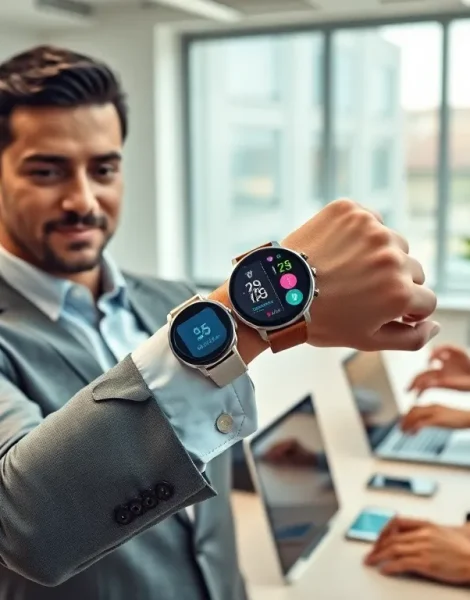
This wearables guide helps consumers find the right device for their daily routines. Wearable technology has moved far beyond step counting. Today’s devices track sleep, monitor heart rhythms, send notifications, and even detect falls. The global wearables market reached over $60 billion in 2024, and that number keeps climbing. With so many options available, picking the right wearable can feel overwhelming. This guide breaks down the major categories, highlights key features, and offers practical advice for matching a device to specific lifestyle needs.
Table of Contents
ToggleKey Takeaways
- This wearables guide helps you match devices to your lifestyle by breaking down categories like smartwatches, fitness trackers, and smart rings.
- Define your primary purpose before buying—marathon training requires different features than simple notification alerts.
- Fitness trackers offer budget-friendly health insights starting around $30, while premium smartwatches can exceed $500.
- Check smartphone compatibility first, as Apple Watch works only with iPhones and Wear OS devices pair best with Android.
- Top 2025 wearable features include AI-powered insights, 7-10 day battery life, and advanced health sensors like ECG and SpO2 monitoring.
- Choose a wearable that fits naturally into your daily routine—even the best sensors won’t help if you ignore the data.
What Are Wearable Devices?
Wearable devices are electronic gadgets designed to be worn on the body. They collect data, provide feedback, and connect users to digital services throughout the day.
Most wearables fall into a few main categories: smartwatches, fitness trackers, smart rings, and specialized health monitors. Each type serves different purposes, but they share common traits. They’re portable, they sync with smartphones, and they gather biometric or activity data.
The technology inside these devices has improved dramatically. Sensors now measure blood oxygen levels, skin temperature, and even stress indicators. Some wearables can detect irregular heart rhythms and alert users to potential health concerns.
Wearable devices appeal to a wide range of people. Athletes use them to optimize training. Office workers rely on them for calendar alerts and message notifications. Older adults benefit from fall detection and emergency SOS features. This wearables guide covers the options that matter most for each group.
Types of Wearables and Their Key Features
Understanding the main categories helps buyers narrow their choices. Here’s a breakdown of the two most popular types.
Smartwatches
Smartwatches function as mini-computers on the wrist. They display notifications, run apps, and offer voice assistants like Siri or Google Assistant. Premium models include GPS, cellular connectivity, and mobile payment support.
Apple Watch remains the dominant player in this space, but Samsung Galaxy Watch and Google Pixel Watch have gained ground. These devices excel at blending productivity with health tracking. Users can respond to texts, stream music, and monitor their heart rate, all from one device.
Battery life varies widely. Some smartwatches last only 18 hours, while others stretch to several days. Consider daily charging habits before committing to a specific model.
Fitness Trackers
Fitness trackers focus primarily on health and activity data. They tend to be lighter, smaller, and more affordable than smartwatches. Brands like Fitbit, Garmin, and Xiaomi dominate this segment.
These devices track steps, calories burned, distance traveled, and sleep patterns. Many include heart rate monitors and guided breathing exercises. Some advanced trackers now offer GPS and swim tracking too.
Fitness trackers suit users who want health insights without the distractions of a full smartwatch. They’re also a solid entry point for anyone new to wearable technology. This wearables guide recommends fitness trackers for budget-conscious buyers and dedicated athletes alike.
How to Choose the Best Wearable for Your Needs
Selecting the right wearable depends on personal priorities. Ask these questions before making a purchase.
What’s the primary purpose? Someone training for a marathon needs different features than someone who just wants notification alerts. Define the main use case first.
Which smartphone ecosystem applies? Apple Watch pairs exclusively with iPhones. Wear OS devices work best with Android phones. Compatibility matters for seamless syncing and app access.
How important is battery life? Travelers and outdoor enthusiasts should prioritize devices that last multiple days. Those near a charger daily have more flexibility.
What’s the budget? Entry-level fitness trackers start around $30. Premium smartwatches can exceed $500. Determine spending limits early to avoid feature creep.
Does style matter? Some wearables look sporty and casual. Others feature sleek, professional designs. Many brands offer interchangeable bands for versatility.
This wearables guide emphasizes matching features to lifestyle. A device packed with sensors won’t help if the user ignores the data. Pick a wearable that fits naturally into daily routines.
Top Features to Look for in 2025
Wearable technology continues to advance. Here are the standout features worth considering this year.
Advanced Health Sensors: Look for devices with SpO2 monitoring, ECG capabilities, and skin temperature tracking. These sensors provide deeper health insights and can flag potential issues early.
AI-Powered Insights: Many 2025 wearables use artificial intelligence to analyze patterns. They offer personalized recommendations for sleep, exercise, and recovery based on individual data.
Longer Battery Life: Manufacturers have made real progress here. Several models now last 7-10 days on a single charge without sacrificing features.
Offline Functionality: The best wearables work independently of smartphones. GPS tracking, music storage, and contactless payments should function without a phone nearby.
Improved Displays: AMOLED screens with always-on options have become standard on mid-range and premium devices. Brightness and readability in sunlight have improved significantly.
Sleep Tracking Accuracy: Sleep analysis has gotten more precise. Top devices now distinguish between light, deep, and REM sleep stages with better consistency.
This wearables guide highlights these features because they represent meaningful improvements. Focus on the capabilities that align with specific health or productivity goals.


