
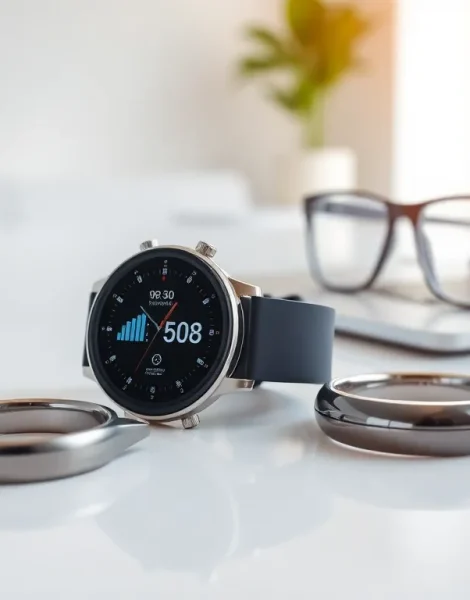
What is wearables? Simply put, wearables are electronic devices people wear on their bodies to track data, receive notifications, or perform specific tasks. From fitness trackers on wrists to smart glasses on faces, wearable technology has become part of everyday life for millions of people worldwide.
The global wearables market reached over $60 billion in 2024, and it continues to grow rapidly. These devices now monitor heart rates, count steps, measure sleep quality, and even detect health emergencies. But wearables go far beyond fitness. They include smartwatches, hearing aids, medical monitors, and augmented reality headsets.
This guide covers how wearable technology works, the main types available, their benefits, and what challenges users should consider. It also looks ahead at where this technology is heading next.
Table of Contents
ToggleKey Takeaways
- Wearables are electronic devices worn on the body to track health data, receive notifications, and perform tasks—ranging from smartwatches to medical monitors.
- The global wearables market surpassed $60 billion in 2024, driven by demand for fitness trackers, smart glasses, and health-monitoring devices.
- Wearable technology works through sensors, processors, and Bluetooth or Wi-Fi connectivity to collect and sync personal data with apps and cloud platforms.
- Key benefits of wearables include health awareness, convenience, early warning systems for medical issues, and accessibility features for people with disabilities.
- Users should consider privacy concerns, data accuracy limitations, battery life, and cost when choosing wearable devices.
- Future wearables will feature advanced health monitoring, AI-powered insights, smaller form factors like smart rings, and improved battery technology.
How Wearable Technology Works
Wearable technology relies on sensors, processors, and connectivity to function. Each device contains small sensors that collect data from the user’s body or environment. These sensors measure things like movement, heart rate, temperature, and location.
Once sensors gather data, a processor inside the wearable interprets it. The processor runs software that turns raw sensor readings into useful information. For example, an accelerometer detects motion, and the software calculates how many steps someone has taken.
Connectivity plays a crucial role in wearables. Most devices use Bluetooth to sync with smartphones. Some wearables also connect directly to Wi-Fi or cellular networks. This connection allows data to transfer to apps, cloud storage, or health platforms where users can view detailed reports.
Batteries power wearables, and battery life varies widely. A basic fitness band might last a week on one charge. A smartwatch with a bright display and GPS might need charging every day. Manufacturers constantly work to improve power efficiency so devices last longer between charges.
Many wearables also include displays, speakers, or haptic feedback systems. These components let devices show information, play audio, or vibrate to alert users. The combination of input sensors and output systems makes wearables interactive and responsive.
Common Types of Wearable Devices
Wearables come in many forms, each designed for specific purposes. Here are the most common types people use today.
Smartwatches
Smartwatches sit on the wrist and offer features beyond telling time. They display notifications, track fitness metrics, play music, and run apps. Apple Watch, Samsung Galaxy Watch, and Garmin models dominate this category. Many smartwatches now include ECG monitors and blood oxygen sensors.
Fitness Trackers
Fitness trackers focus primarily on health and activity monitoring. Devices like Fitbit and Xiaomi Mi Band count steps, monitor sleep, and track workouts. They’re often more affordable than smartwatches and have longer battery life. Fitness trackers appeal to users who want health data without extra features.
Smart Glasses and AR Headsets
Smart glasses overlay digital information onto the real world. Meta’s Ray-Ban smart glasses let users take photos and listen to music. More advanced wearables like Apple Vision Pro and Meta Quest offer full augmented and virtual reality experiences. These devices are growing in popularity for gaming, work, and creative applications.
Medical Wearables
Medical wearables monitor specific health conditions. Continuous glucose monitors help diabetics track blood sugar levels. Heart monitors detect irregular rhythms. Hearing aids with smart features connect to phones and adjust automatically to environments. These wearables often require prescriptions or medical supervision.
Smart Clothing and Accessories
Smart clothing embeds sensors directly into fabric. Athletic shirts can measure heart rate and breathing patterns. Smart rings like Oura track sleep and activity in a small, discreet form. Even smart shoes exist that analyze running gait and provide coaching tips.
Benefits of Using Wearables
Wearables offer several practical advantages that explain their popularity.
Health Awareness: Wearables give users constant insight into their physical activity and vital signs. Someone can see exactly how many calories they burned, how well they slept, or whether their heart rate spiked during stress. This awareness often motivates healthier behavior.
Convenience: Getting notifications, calls, and messages on a wrist means users don’t need to pull out their phones constantly. Quick glances at a smartwatch save time and reduce distractions. Some wearables even allow voice commands and contactless payments.
Early Warning Systems: Advanced wearables can detect health issues before users notice symptoms. Apple Watch has alerted wearers to atrial fibrillation. Fall detection features automatically call emergency services if someone takes a hard fall and doesn’t respond.
Personalized Data: Wearables collect data specific to each user. Over time, apps build detailed profiles that show trends and patterns. This personalized information helps people make informed decisions about exercise, diet, and rest.
Accessibility Features: Many wearables include features that help people with disabilities. Hearing aids stream phone calls directly. Vibration alerts notify deaf users of incoming messages. Voice assistants let people control devices hands-free.
Challenges and Considerations
Even though their benefits, wearables come with drawbacks users should understand.
Privacy Concerns: Wearables collect sensitive personal data. Location tracking, health metrics, and daily routines all flow through these devices. Users must trust manufacturers to protect this information. Data breaches or misuse of health data remain legitimate concerns.
Accuracy Questions: Not all wearables measure data with medical precision. A fitness tracker’s calorie count is an estimate. Heart rate readings can vary depending on fit and skin tone. Users shouldn’t rely solely on wearables for medical decisions without consulting professionals.
Battery Life Limits: Frequent charging frustrates some users. Devices with more features typically drain batteries faster. Someone who forgets to charge their smartwatch misses its benefits entirely.
Cost: High-end wearables carry premium prices. An Apple Watch Ultra costs more than many smartphones. Subscription services for advanced features add ongoing expenses. Budget options exist, but they often lack capabilities found in pricier models.
Dependence and Distraction: Some users become overly focused on their wearable data. Constantly checking stats can create anxiety rather than motivation. Notifications that interrupt focus may reduce productivity instead of improving it.
The Future of Wearable Technology
Wearable technology continues to advance rapidly. Several trends point to where wearables are heading.
Health monitoring will become more sophisticated. Future wearables may track blood pressure continuously without cuffs. Non-invasive glucose monitoring could eliminate finger pricks for diabetics. Researchers are developing wearables that detect early signs of illness through sweat analysis or body temperature patterns.
Artificial intelligence will make wearables smarter. AI can analyze patterns in user data and offer personalized recommendations. Instead of just reporting that someone slept poorly, a wearable might suggest specific changes based on that person’s history.
Form factors will shrink and diversify. Smart rings are already popular, and smart patches that stick to skin are in development. Some companies are exploring implantable devices, though these raise additional ethical questions.
Integration with other technologies will deepen. Wearables will connect more seamlessly with smart homes, cars, and workplaces. A smartwatch might unlock doors, start coffee makers, and adjust thermostats based on the wearer’s location and preferences.
Battery technology improvements will address charging frustrations. Solar charging, kinetic energy harvesting, and more efficient processors could extend battery life significantly. Some future wearables might never need traditional charging at all.


