
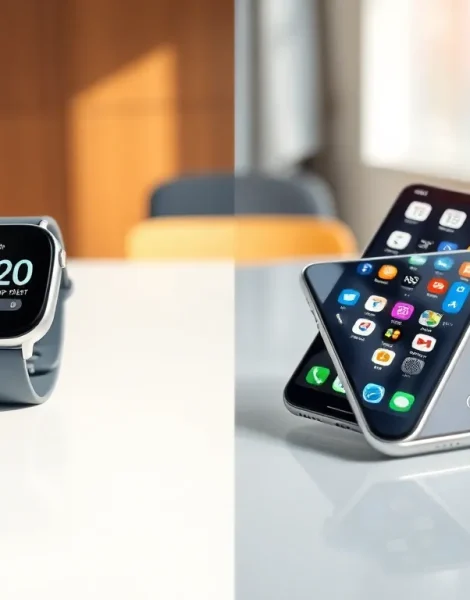
Wearables vs. smartphones, it’s a debate many tech buyers face today. Both device types offer unique advantages, but they serve different purposes. Wearables sit on your wrist or clip to your body, tracking health metrics and delivering quick notifications. Smartphones remain pocket-sized powerhouses that handle calls, apps, and entertainment. This article breaks down the key differences between wearables and smartphones, compares their features, and helps readers decide which device fits their daily routine best.
Table of Contents
ToggleKey Takeaways
- Wearables vs smartphones isn’t about choosing one over the other—they complement each other for most users.
- Wearables excel at continuous health tracking with sensors that monitor heart rate, sleep, and fitness metrics directly on your body.
- Smartphones remain essential for detailed tasks like reading emails, watching videos, and using full app ecosystems on larger screens.
- Battery life favors wearables, with many lasting several days compared to smartphones that typically need daily charging.
- Active professionals, fitness enthusiasts, and busy parents benefit most from wearables for quick, hands-free notification access.
- Budget options exist for both: fitness bands start under $50, while premium smartwatches and flagship smartphones can exceed $500 to $1,000.
What Are Wearables and How Do They Differ From Smartphones?
Wearables are electronic devices worn on the body. Smartwatches, fitness bands, and smart rings fall into this category. These devices connect to smartphones or work independently, depending on the model. They monitor heart rate, count steps, track sleep, and display notifications from paired phones.
Smartphones are handheld computers that fit in a pocket. They run full operating systems like iOS or Android. Users make calls, send texts, browse the internet, take photos, and run thousands of apps on these devices.
The primary difference lies in form factor and functionality. Wearables prioritize quick access and health monitoring. Smartphones offer deeper functionality and larger screens for content consumption. Wearables vs. smartphones isn’t really about one replacing the other, they complement each other in most cases.
Battery life also separates these device types. Many wearables last several days on a single charge. Smartphones typically need daily charging due to their larger screens and processing demands. This difference affects how users interact with each device throughout the day.
Key Features Comparison
Understanding the strengths of wearables vs. smartphones requires a closer look at specific features. Two areas stand out: health tracking and everyday convenience.
Health and Fitness Tracking
Wearables excel at health monitoring. Sensors pressed against the skin measure heart rate continuously. Many devices track blood oxygen levels, sleep stages, and stress indicators. Fitness bands count steps accurately because they move with the wrist.
Smartphones can track fitness too, but with limitations. They rely on accelerometers to count steps when carried in a pocket or bag. Heart rate monitoring requires placing a finger on the camera, hardly convenient during a workout. Sleep tracking works only if the phone stays in bed, which many users avoid.
For serious fitness enthusiasts, wearables offer clear advantages. They provide real-time workout data without interrupting exercise. GPS-enabled smartwatches track running routes independently. Some wearables even detect irregular heart rhythms and alert users to potential health concerns.
Convenience and Accessibility
Wearables deliver information at a glance. A quick look at the wrist shows incoming messages, calendar alerts, and weather updates. Users don’t need to pull a phone from their pocket. This hands-free access proves valuable during meetings, workouts, or while carrying groceries.
Smartphones remain more versatile for detailed tasks. Reading long emails, watching videos, or editing documents requires a larger screen. Voice assistants work on both device types, but typing remains easier on a phone’s virtual keyboard.
The wearables vs. smartphones debate often comes down to context. Need to check a notification quickly? Wearables win. Need to respond with a detailed message? Grab the smartphone.
Pros and Cons of Each Device Type
Every device comes with trade-offs. Here’s a balanced look at what each offers.
Wearables Pros:
- Constant health monitoring without effort
- Quick notification access on the wrist
- Longer battery life on most models
- Lighter and less intrusive than phones
- Ideal for exercise and outdoor activities
Wearables Cons:
- Small screens limit functionality
- Typing responses feels awkward
- Premium models carry high price tags
- Some features require a paired smartphone
- Screen visibility suffers in bright sunlight
Smartphones Pros:
- Full app ecosystem with millions of options
- Large screens for media and productivity
- High-quality cameras for photos and video
- Complete communication hub for calls, texts, and email
- Works independently without additional devices
Smartphones Cons:
- Requires daily charging for most users
- Larger size makes them less portable during activities
- Checking notifications interrupts tasks
- Easy to damage with drops or water
- Can become a distraction
When weighing wearables vs. smartphones, consider daily habits. Active individuals benefit more from wearable features. Those who prioritize productivity and entertainment lean toward smartphones.
When to Choose Wearables Over Smartphones
Certain situations make wearables the smarter choice. Fitness-focused users gain the most from dedicated health tracking. Marathon runners, cyclists, and gym enthusiasts appreciate real-time metrics without phone bulk.
Professionals in active jobs also benefit. Construction workers, nurses, and warehouse staff can’t always carry phones. A smartwatch keeps them connected without getting in the way. Quick glances replace constant phone handling.
Parents managing busy schedules find wearables helpful too. They can see incoming calls or school notifications instantly while keeping hands free for kids.
That said, wearables work best alongside smartphones rather than replacing them. The wearables vs. smartphones question isn’t either/or for most people. A smartwatch handles quick tasks while the phone stays in a pocket or bag for deeper engagement.
Budget matters as well. Entry-level fitness bands cost under $50 and deliver solid health tracking. Premium smartwatches from Apple or Samsung range from $250 to $500. Smartphones span an even wider price range, from budget models under $200 to flagships exceeding $1,000.
Think about what frustrates you most. Constantly pulling out your phone? A wearable solves that. Missing the smartphone’s screen size? Keep relying on the phone for primary tasks.


