
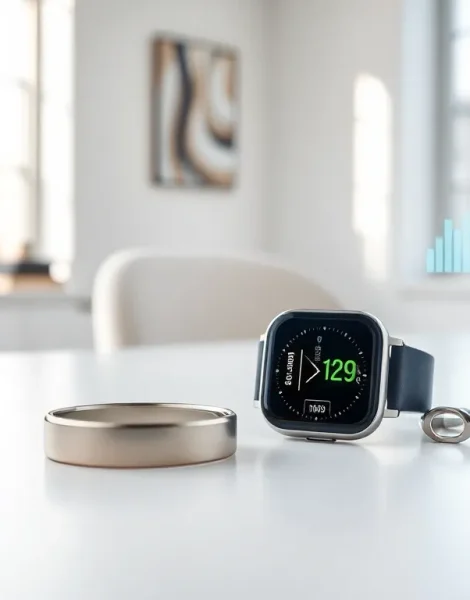
Wearables tools have changed how people track health, stay connected, and manage daily tasks. These smart devices sit on wrists, clip to clothing, or rest on ears, and they collect data around the clock. From fitness trackers to smartwatches to medical monitors, the market offers options for nearly every need.
This guide breaks down everything buyers need to know about wearables tools. It covers the main types available, essential features worth paying for, and practical applications across industries. Whether someone wants to count steps or monitor heart rhythms, understanding these devices helps them make smarter purchasing decisions.
Table of Contents
ToggleKey Takeaways
- Wearables tools continuously monitor health metrics like heart rate, sleep, and activity through embedded sensors that connect to smartphones or computers.
- The main types of wearables tools include smartwatches, fitness trackers, smart rings, hearables, and medical-grade devices—each serving different needs and budgets.
- Battery life varies significantly, with fitness trackers lasting 7-14 days while feature-rich smartwatches need charging every 1-2 days.
- Check platform compatibility before buying, as some wearables tools like Apple Watch work fully only with specific devices.
- Factor in potential subscription costs ($10-30/month) for services like Fitbit Premium or Oura membership when calculating total ownership expenses.
- Choose wearables tools based on your primary use case—whether it’s fitness tracking, chronic condition management, workplace safety, or sports performance optimization.
What Are Wearables Tools?
Wearables tools are electronic devices designed to be worn on the body. They collect, process, and transmit data through sensors embedded in their hardware. Most wearables tools connect to smartphones or computers via Bluetooth or Wi-Fi, allowing users to view their information through companion apps.
The core function of wearables tools involves continuous monitoring. A fitness band tracks movement patterns. A smartwatch measures heart rate. Medical-grade wearables tools can detect irregular heartbeats or blood oxygen levels. This constant data collection separates wearables tools from traditional electronics.
These devices rely on several key technologies:
- Accelerometers detect motion and orientation
- Gyroscopes measure rotation and angular velocity
- Optical sensors track heart rate through light absorption
- GPS modules record location and distance
- Bioimpedance sensors estimate body composition
Wearables tools have grown more sophisticated each year. Early models simply counted steps. Today’s versions can predict health issues, track sleep stages, and even take electrocardiogram readings.
Types of Wearable Technology
The wearables tools market includes several distinct categories. Each type serves different purposes and audiences.
Smartwatches
Smartwatches combine fitness tracking with smartphone functionality. Users can receive notifications, make calls, and run apps directly from their wrist. Apple Watch, Samsung Galaxy Watch, and Garmin models dominate this segment. These wearables tools typically cost between $200 and $800.
Fitness Trackers
Fitness trackers focus primarily on health metrics. They monitor steps, calories, sleep quality, and exercise sessions. Brands like Fitbit and Xiaomi offer wearables tools in this category at lower price points, often under $150. Their simpler displays extend battery life significantly.
Smart Rings
Smart rings represent a growing segment of wearables tools. The Oura Ring and Samsung Galaxy Ring track sleep, activity, and recovery without the bulk of wrist-worn devices. They appeal to users who want discrete monitoring.
Hearables
Hearables include smart earbuds and headphones with built-in sensors. Some wearables tools in this category track heart rate through the ear canal or offer real-time language translation. AirPods Pro and Jabra Elite models lead this market.
Medical Wearables
Medical-grade wearables tools require FDA approval and serve clinical purposes. Continuous glucose monitors, ECG patches, and blood pressure cuffs fall into this category. These devices often integrate with healthcare provider systems.
Key Features to Look For
Choosing wearables tools requires attention to several important features. The right combination depends on individual needs and budget.
Battery Life
Battery performance varies widely across wearables tools. Basic fitness trackers last 7-14 days between charges. Feature-rich smartwatches typically need charging every 1-2 days. Buyers should match battery expectations to their tolerance for charging routines.
Water Resistance
Water resistance ratings indicate how well wearables tools handle moisture. Look for IP68 or 5ATM ratings for swimming. Lower ratings suit showering but not submersion. Swimmers and outdoor athletes need higher protection levels.
Sensor Accuracy
Not all wearables tools measure metrics equally well. Heart rate accuracy matters for training zones. GPS precision affects distance tracking. Reading independent reviews helps identify which wearables tools perform best for specific measurements.
Compatibility
Most wearables tools work with both iOS and Android, but some features may be limited on certain platforms. Apple Watch functions fully only with iPhones. Samsung wearables tools offer complete features on Galaxy phones. Check compatibility before purchasing.
Display Quality
Screen brightness affects outdoor visibility. AMOLED displays offer deep blacks and vibrant colors. Always-on display options drain batteries faster but provide constant access to information. Some wearables tools skip displays entirely to conserve power.
Popular Use Cases and Applications
Wearables tools serve diverse purposes across personal and professional contexts.
Health and Fitness
Most consumers use wearables tools for health tracking. Daily step counts motivate movement. Sleep tracking reveals rest patterns. Heart rate monitoring supports cardiovascular fitness goals. Some wearables tools now detect atrial fibrillation and alert users to seek medical attention.
Workplace Safety
Industrial settings deploy wearables tools for worker protection. Smart helmets detect fatigue. Wearable sensors monitor environmental hazards like heat or toxic gases. These applications reduce workplace injuries and improve response times during emergencies.
Sports Performance
Athletes rely on wearables tools for training optimization. Running watches analyze pace, cadence, and ground contact time. Cycling computers integrate with power meters. Recovery-focused wearables tools measure heart rate variability to suggest rest days.
Healthcare Monitoring
Patients use wearables tools for chronic condition management. Continuous glucose monitors help diabetics maintain safe blood sugar levels. Blood pressure wearables tools track hypertension between doctor visits. These devices reduce hospital visits and improve health outcomes.
Navigation and Communication
Outdoor enthusiasts choose wearables tools with GPS and satellite communication features. Devices like the Garmin inReach allow emergency messaging in areas without cell coverage. Smartwatches provide turn-by-turn navigation for hiking and cycling.
How to Choose the Right Wearable Tool
Selecting wearables tools starts with identifying primary use cases. Someone focused on running needs accurate GPS and training metrics. A person managing a health condition prioritizes medical-grade sensors and doctor integration.
Set a Budget
Wearables tools range from $30 budget trackers to $1,000+ luxury smartwatches. Higher prices often mean better materials, more sensors, and longer software support. But mid-range wearables tools satisfy most users perfectly well.
Consider Ecosystem Lock-In
Apple users benefit from Apple Watch integration with their other devices. Android users have more flexibility across brands. Switching platforms later may require replacing wearables tools entirely.
Evaluate Size and Comfort
Wearables tools must feel comfortable for all-day wear. Try devices in stores when possible. Smaller wrists may find large watch faces awkward. Silicone bands suit exercise: leather or metal options look better for work settings.
Research Battery Reality
Manufacturer claims often reflect ideal conditions. Real-world battery life for wearables tools depends on screen brightness, GPS usage, and notification frequency. User reviews provide more accurate expectations.
Check for Subscription Costs
Some wearables tools require ongoing subscriptions for full functionality. Fitbit Premium, Whoop membership, and Oura subscription fees add $10-30 monthly. Factor these costs into the total ownership expense.


