
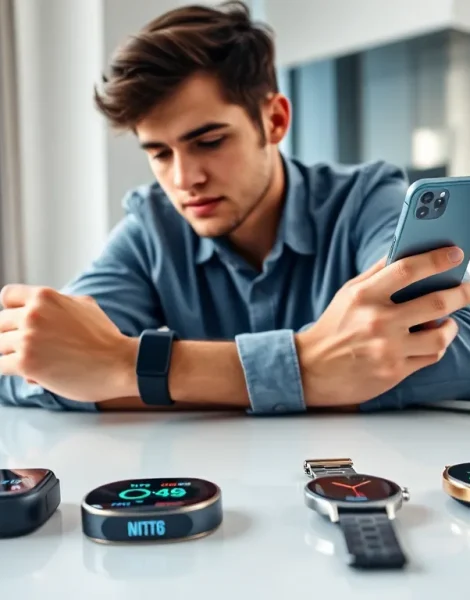
Wearables for beginners can feel overwhelming at first glance. Smartwatches, fitness trackers, and health monitors fill store shelves and online marketplaces. Each device promises to transform daily routines. But which one actually fits a first-time buyer’s needs?
This guide breaks down wearable technology into simple terms. It covers device types, essential features, and practical buying tips. By the end, readers will know exactly what to look for in their first wearable device.
Table of Contents
ToggleKey Takeaways
- Wearables for beginners include fitness trackers, smartwatches, hybrid watches, and specialized health monitors—each serving different needs and budgets.
- Fitness trackers offer the most budget-friendly entry point ($30–$100) with week-long battery life and essential health tracking features.
- Before buying your first wearable, identify your primary goals—whether it’s step counting, smartphone notifications, or advanced health monitoring.
- Always verify device compatibility with your smartphone, as some wearables like Apple Watch only work with specific operating systems.
- Starting with an affordable wearable helps beginners discover if the technology fits their lifestyle without a major financial commitment.
- Read user reviews for real-world insights on comfort, battery life, and long-term satisfaction before making a purchase.
What Are Wearable Devices?
Wearable devices are electronic gadgets designed to be worn on the body. They collect data, track activities, and often connect to smartphones or computers. Most wearables sit on the wrist, though some clip to clothing or attach to other body parts.
These devices use sensors to monitor everything from heart rate to sleep patterns. The data syncs to companion apps, giving users insights into their health and habits. Wearables for beginners typically focus on basic tracking features rather than advanced metrics.
The technology has grown rapidly since the early fitness bands of the 2010s. Today’s wearables offer GPS navigation, music playback, contactless payments, and even phone calls. Some models can detect irregular heart rhythms or measure blood oxygen levels.
For newcomers, understanding this basic concept matters most: wearables act as personal assistants worn on the body. They gather information and present it in useful ways.
Popular Types of Wearables
Fitness Trackers
Fitness trackers represent the most common entry point for wearables for beginners. These slim bands count steps, estimate calories burned, and monitor sleep quality. Popular options include the Fitbit Inspire series and Xiaomi Mi Band.
Fitness trackers excel at basic health monitoring without complex features. They typically cost between $30 and $100, making them budget-friendly choices. Battery life often stretches to a week or more.
Smartwatches
Smartwatches combine fitness tracking with smartphone-like capabilities. The Apple Watch, Samsung Galaxy Watch, and Google Pixel Watch lead this category. These devices display notifications, run apps, and even take phone calls.
Smartwatches suit users who want an all-in-one solution. They cost more than basic trackers, usually $200 to $500, but offer significantly more functionality. Battery life ranges from one to three days depending on usage.
Hybrid Watches
Hybrid watches blend traditional analog design with smart features. They look like classic timepieces but track activity and deliver subtle notifications through vibrations. Brands like Withings and Garmin produce popular hybrid models.
These work well for people who prefer understated technology. They sacrifice touchscreens and apps for longer battery life and classic aesthetics.
Specialized Health Monitors
Some wearables focus on specific health metrics. Continuous glucose monitors help diabetics track blood sugar. Sleep-focused rings like the Oura Ring prioritize overnight recovery data. These devices serve particular needs rather than general fitness tracking.
Key Features to Consider Before Buying
Fitness and Health Tracking
Every wearable tracks something different. Basic models count steps and estimate calories. Mid-range options add heart rate monitoring and sleep analysis. Premium devices include SpO2 sensors, ECG readings, and stress tracking.
Wearables for beginners should match actual tracking needs. Someone who just wants step counts doesn’t need advanced cardiac monitoring. Focus on features that will actually get used.
Battery Life
Battery performance varies dramatically across wearables. Simple fitness bands last one to two weeks. Full-featured smartwatches need charging every day or two. Hybrid watches often run for months on coin cell batteries.
Daily charging frustrates some users. Others don’t mind the routine. Consider personal habits when evaluating battery life requirements.
Compatibility
Not all wearables work with every phone. Apple Watch pairs exclusively with iPhones. Some Android-focused watches offer limited iOS support. Check compatibility before purchasing.
The companion app matters too. Wearables for beginners benefit from intuitive, well-designed apps that make data easy to understand.
Design and Comfort
A wearable worn 24/7 must feel comfortable. Bulky watches irritate some wrists. Tight bands cause skin issues. Try devices in stores when possible, or buy from retailers with good return policies.
Style preferences matter as well. Some people want sporty looks: others prefer professional designs suitable for office wear.
Price Range
Wearable prices span from $25 to over $1,000. First-time buyers often benefit from starting with affordable options. A $50 fitness tracker reveals whether wearable technology fits into daily life without major investment.
How to Choose Your First Wearable
Start by identifying primary goals. Someone training for a marathon needs different features than someone tracking daily steps. A person wanting smartphone notifications requires a smartwatch, not a basic band.
Wearables for beginners work best when they match specific needs rather than offering maximum features. Advanced capabilities go unused when they don’t align with actual habits.
Next, set a realistic budget. Spending $400 on a first wearable makes little sense if basic tracking is the only goal. But, buying too cheap can mean frustrating limitations and poor build quality.
Research compatibility with existing devices. iPhone users considering Apple Watch enjoy seamless integration. Android users have more choices but should verify app support.
Read user reviews focusing on real-world experiences. Professional reviews test features: user reviews reveal long-term satisfaction, comfort issues, and software bugs.
Finally, consider trying before buying. Many retailers allow hands-on testing. This reveals whether a particular wearable fits comfortably and feels intuitive to operate.


