
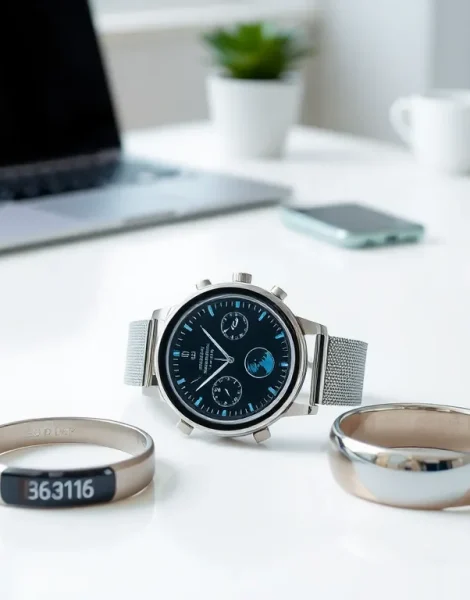
Top wearables have become essential gadgets for millions of people worldwide. These devices sit on wrists, fingers, and even ears, tracking health metrics, delivering notifications, and keeping users connected throughout the day. The wearable market in 2025 offers more options than ever before. From premium smartwatches to budget-friendly fitness trackers and innovative smart rings, buyers can find a device that fits their lifestyle and goals. This guide covers the best top wearables available right now and explains how to pick the right one.
Table of Contents
ToggleKey Takeaways
- Top wearables in 2025 span smartwatches, fitness trackers, and smart rings, offering options for every budget and lifestyle.
- Apple Watch Series 10 and Samsung Galaxy Watch 7 lead the smartwatch category with advanced health sensors and seamless smartphone integration.
- Budget-friendly fitness trackers like Xiaomi Smart Band 9 deliver reliable health monitoring for under $50 with up to 21 days of battery life.
- Smart rings such as Oura Ring Gen 3 and Samsung Galaxy Ring provide discreet 24/7 health tracking in a minimalist design.
- When choosing among top wearables, prioritize your goals, check device compatibility with your phone, and evaluate battery life before purchasing.
- Always try wearables in-store when possible to ensure comfort and proper fit for all-day wear.
Smartwatches That Lead the Market
Smartwatches remain the most popular category among top wearables. They combine fitness tracking, communication features, and style in one device.
Apple Watch Series 10
Apple continues to dominate the smartwatch space. The Apple Watch Series 10 features a thinner design, brighter display, and improved health sensors. It tracks heart rate, blood oxygen levels, sleep patterns, and even body temperature. The device runs watchOS 11, which brings new workout modes and enhanced Siri capabilities. Battery life lasts about 18 hours on a single charge. For iPhone users, the Apple Watch Series 10 delivers the most seamless experience available.
Samsung Galaxy Watch 7
Samsung’s Galaxy Watch 7 stands out among top wearables for Android users. It offers accurate fitness tracking, built-in GPS, and sleep coaching features. The BioActive sensor monitors heart rate, stress levels, and body composition. Samsung also improved the battery, which now lasts up to 40 hours. The watch runs Wear OS with Samsung’s One UI overlay, giving users access to Google apps and Samsung’s health ecosystem.
Garmin Fenix 8
Serious athletes often prefer Garmin watches. The Fenix 8 packs advanced training metrics, topographic maps, and multi-band GPS for precise location tracking. It supports over 30 sports activities and provides detailed recovery recommendations. Battery life reaches up to 16 days in smartwatch mode. While the Fenix 8 costs more than competitors, its durability and performance make it worth the investment for outdoor enthusiasts.
Google Pixel Watch 3
Google’s Pixel Watch 3 has earned a spot among top wearables thanks to its clean software experience and tight integration with Fitbit’s health platform. It features a larger display than previous models and tracks stress, heart rate variability, and workout intensity. The watch also includes fall detection and safety features. Users who want a pure Wear OS experience will appreciate this device.
Fitness Trackers for Every Activity Level
Fitness trackers offer a simpler, more affordable alternative to smartwatches. They focus on health monitoring and activity tracking without the extra features.
Fitbit Charge 6
The Fitbit Charge 6 remains one of the best fitness trackers on the market. It includes built-in GPS, heart rate monitoring, and an SpO2 sensor. Google integration allows users to access Maps and Wallet directly from the band. The tracker also offers stress management tools and sleep tracking. Battery life stretches to seven days, making it ideal for people who dislike frequent charging.
Xiaomi Smart Band 9
Budget-conscious buyers often gravitate toward Xiaomi’s lineup of top wearables. The Smart Band 9 costs under $50 yet delivers solid performance. It tracks steps, sleep, heart rate, and over 150 workout types. The AMOLED display is bright and responsive. Battery life lasts up to 21 days. For basic fitness tracking, this device provides excellent value.
Whoop 4.0
Whoop takes a different approach. This subscription-based tracker focuses on recovery, strain, and sleep optimization. It doesn’t display the time, instead, it provides detailed data through a smartphone app. Athletes and fitness enthusiasts use Whoop to understand how their bodies respond to training. The 4.0 model is 33% smaller than its predecessor and offers five-day battery life.
Amazfit Band 7
Amazfit’s Band 7 competes directly with Fitbit and Xiaomi. It offers a large 1.47-inch display, blood oxygen monitoring, and 120+ sports modes. The always-on screen shows stats at a glance. Battery life extends up to 18 days. This tracker suits beginners who want reliable health data without spending much.
Smart Rings and Emerging Wearable Tech
Smart rings represent a growing segment of top wearables. These small devices pack health sensors into a minimalist form factor.
Oura Ring Gen 3
The Oura Ring Gen 3 leads the smart ring category. It tracks sleep stages, heart rate variability, body temperature, and activity levels. The ring weighs just 4 to 6 grams, making it comfortable for all-day wear. Users receive personalized insights through the Oura app. Battery life averages about seven days. Many people wear Oura alongside a smartwatch for deeper health analysis.
Samsung Galaxy Ring
Samsung entered the smart ring market in 2024. The Galaxy Ring monitors sleep, heart rate, and step count. It syncs with Samsung Health and integrates with the Galaxy Watch ecosystem. The titanium design comes in multiple sizes and colors. Battery life lasts up to seven days depending on usage. For Samsung users, this ring provides a subtle way to track health metrics.
RingConn Smart Ring
RingConn offers a compelling alternative among top wearables. It tracks heart rate, sleep, blood oxygen, and stress without requiring a subscription. The accompanying app delivers daily readiness scores and health trends. Battery life reaches five to seven days. The ring comes at a lower price point than Oura, appealing to first-time smart ring buyers.
Other Emerging Wearables
Beyond rings, companies continue experimenting with new wearable formats. Smart glasses like Ray-Ban Meta allow users to capture photos and videos hands-free. Hearables such as AirPods Pro 2 now include hearing health features. Smart patches monitor glucose levels for diabetics. These innovations expand what top wearables can accomplish.
How to Choose the Right Wearable for You
Selecting among top wearables depends on personal needs, budget, and device ecosystem.
Define Your Goals
Start by identifying what matters most. Fitness tracking? Sleep analysis? Smartphone notifications? Someone training for a marathon needs different features than someone counting daily steps. Write down three priorities before shopping.
Consider Compatibility
Some wearables work best with specific phones. Apple Watch requires an iPhone. Samsung Galaxy Watch pairs seamlessly with Samsung phones. Fitbit and Garmin devices work across both iOS and Android. Checking compatibility saves frustration later.
Set a Budget
Top wearables range from $30 to $1,000. Basic trackers cost $30 to $100. Mid-range smartwatches run $200 to $400. Premium devices like the Garmin Fenix 8 or Apple Watch Ultra exceed $500. Determine spending limits early to narrow options quickly.
Evaluate Battery Life
Daily charging bothers many users. Fitness trackers typically last 5 to 21 days. Smartwatches average 1 to 3 days. Smart rings fall somewhere in between at 5 to 7 days. Those who travel often or dislike cables should prioritize longer battery life.
Try Before Buying
Whenever possible, visit a store to try on different wearables. Comfort matters, especially for devices worn 24/7. Check band sizes, weight, and how the screen looks on your wrist. Online reviews help, but hands-on testing reveals fit issues that photos miss.


