
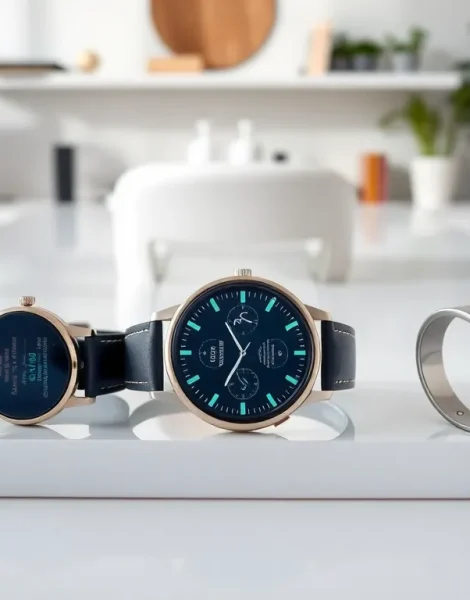
The best wearables in 2025 do more than count steps. They monitor heart rhythms, track sleep stages, and even detect early signs of health issues. Whether someone wants a full-featured smartwatch or a discreet fitness tracker, this year’s lineup offers something for every lifestyle.
Wearable technology has grown fast. Sales projections show the global market reaching over $180 billion by 2025, and manufacturers continue to push boundaries with longer battery life, better sensors, and smarter features. This guide covers the top picks across categories, smartwatches, fitness trackers, and emerging tech like smart rings. It also breaks down how to choose the right wearable based on individual needs and priorities.
Table of Contents
ToggleKey Takeaways
- The best wearables in 2025 go beyond step counting—they monitor heart rhythms, track sleep stages, and detect early health issues.
- Smartwatches like Apple Watch Series 10 and Samsung Galaxy Watch 7 offer all-in-one functionality, while fitness trackers provide longer battery life at lower prices.
- Smart rings such as Oura Ring Gen 3 deliver discreet health tracking focused on sleep and recovery without wrist-worn distractions.
- Battery life varies significantly: smartwatches last 1-3 days, fitness trackers up to 3 weeks, and smart rings fall in between.
- Choose the best wearable based on your primary goal—fitness tracking, all-in-one convenience, sleep monitoring, or serious athletic performance.
- Budget options like the Xiaomi Smart Band 9 (under $50) track health metrics effectively, while premium devices exceed $700 for advanced features.
Smartwatches for All-Around Performance
Smartwatches remain the most popular category among the best wearables. They combine fitness tracking, notifications, and app support into one device worn on the wrist.
Apple Watch Series 10
The Apple Watch Series 10 leads the pack for iPhone users. It features a larger display, faster charging, and improved health sensors. The watch tracks blood oxygen, ECG readings, and sleep patterns. It also includes crash detection and fall alerts for safety.
Battery life extends to roughly 18 hours with typical use. For athletes, the watch offers advanced workout metrics and integration with Apple Fitness+.
Samsung Galaxy Watch 7
Android users get strong performance from the Samsung Galaxy Watch 7. It runs Wear OS and pairs smoothly with Samsung phones and other Android devices. The body composition sensor measures muscle mass, fat percentage, and water levels.
Samsung’s BioActive Sensor tracks heart rate, blood pressure (in supported regions), and stress levels. Battery life reaches up to 40 hours in power-saving mode.
Garmin Venu 3
Garmin builds the best wearables for serious athletes. The Venu 3 provides deep fitness analytics, including VO2 max estimates, training load tracking, and recovery time suggestions. The AMOLED display stays bright in sunlight.
Garmin also added a wheelchair mode and improved sleep coaching. Battery life hits 14 days in smartwatch mode, far longer than competitors.
Fitness Trackers for Health-Focused Users
Fitness trackers offer a simpler, more affordable option for users who prioritize health data over apps and notifications. These devices often last longer on a single charge and feel lighter on the wrist.
Fitbit Charge 6
The Fitbit Charge 6 stands out among the best wearables for fitness tracking. It includes a heart rate sensor, SpO2 monitor, and built-in GPS. Google integration brings Maps and Wallet to the wrist.
Fitbit’s Daily Readiness Score tells users when to push hard and when to rest. The slim band fits comfortably during workouts and sleep.
Xiaomi Smart Band 9
Budget-conscious buyers find great value in the Xiaomi Smart Band 9. Priced under $50, it delivers accurate step counting, sleep tracking, and heart rate monitoring. The battery lasts up to 21 days.
The AMOLED screen displays notifications and supports over 150 workout modes. It lacks GPS, but most users won’t miss it for everyday tracking.
Whoop 5.0
Whoop takes a different approach. It focuses entirely on recovery and strain data without a screen. Athletes wear it 24/7 to measure sleep quality, heart rate variability, and workout intensity.
The subscription model includes coaching insights and detailed reports. Whoop 5.0 now offers longer battery life and a slimmer design. It appeals to serious athletes who want data without distractions.
Smart Rings and Emerging Wearable Tech
Smart rings represent the newest category among the best wearables. They pack health sensors into a tiny, discreet form factor that many users prefer over wrist-worn devices.
Oura Ring Gen 3
The Oura Ring Gen 3 tracks sleep better than most smartwatches. It measures heart rate, body temperature, and blood oxygen throughout the night. The app delivers a daily Readiness Score based on sleep and recovery data.
The ring weighs just 4-6 grams and lasts up to 7 days on a charge. It doesn’t display notifications, which some users see as a benefit, it tracks health without creating distractions.
Samsung Galaxy Ring
Samsung entered the smart ring market in 2024. The Galaxy Ring syncs with Samsung Health and offers similar metrics: sleep stages, heart rate, and skin temperature. It works alongside the Galaxy Watch for users who want both.
Battery life reaches 5-7 days depending on usage. The titanium build feels durable and looks subtle enough for daily wear.
Other Emerging Tech
Smart glasses continue to improve. Ray-Ban Meta glasses now stream audio, take photos, and respond to voice commands. They don’t track health data yet, but future versions likely will.
Smart clothing also shows promise. Brands like Hexoskin and Athos embed sensors into shirts and shorts to track muscle activity and breathing patterns. These products appeal to professional athletes and researchers.
How to Choose the Right Wearable for Your Needs
Finding the best wearables depends on personal priorities. Here’s a quick breakdown to simplify the decision.
Define the Primary Use Case
- Fitness tracking: Choose a dedicated tracker like Fitbit Charge 6 or Xiaomi Smart Band 9.
- All-in-one device: Pick a smartwatch like Apple Watch Series 10 or Samsung Galaxy Watch 7.
- Sleep and recovery: Consider a smart ring like Oura Ring Gen 3.
- Serious athletics: Look at Garmin Venu 3 or Whoop 5.0.
Consider Ecosystem Compatibility
iPhone users get the best experience with Apple Watch. Android users should look at Samsung, Garmin, or Fitbit. Smart rings work across both platforms but may offer deeper integration with specific apps.
Think About Battery Life
Smartwatch batteries typically last 1-3 days. Fitness trackers stretch to 1-3 weeks. Smart rings fall somewhere in between. Users who hate frequent charging should lean toward trackers or rings.
Set a Budget
Prices range widely. Budget trackers start around $30-50. Mid-range smartwatches cost $200-400. Premium devices like Apple Watch Ultra 2 or Garmin Fenix 8 exceed $700.
The best wearables deliver value relative to their price. A $40 Xiaomi band tracks steps just as well as a $400 smartwatch, it simply offers fewer features.


